
Buying guides
Original artwork or print: understand what is being sold
Read an art listing’s medium, production description, edition and physical dimensions before choosing between an individual work and a print.
Published Information checked
An art listing should make clear what physical item is being offered. An individual painting, an artist-produced print and a reproduction can all be meaningful purchases, but they are different products. Read the medium and production description before deciding from the image alone.
Identify the offered object
Look for a clear description of the medium, surface and production method. The word original can refer to different contexts in art, so ask the seller to explain a phrase that matters to your purchase. Do not assume that print always means a reproduction of a painting, or that an image shown online is the unique physical work being sold.
Read edition and presentation details
Check whether the work is described as unique, part of an edition or supplied in another defined arrangement. Read signature and documentation details separately from the production method. Then inspect whether the quoted dimensions refer to the image, sheet or framed item. A small image in a large frame can occupy a different amount of wall space from the measurements a buyer first notices.
Choose according to the reason for buying
If your main aim is to enjoy a particular image at home, presentation and suitable size may be the priorities. If the artist’s process or a particular edition matters, obtain enough information to understand that feature. Avoid treating the broad category as a promise about future value. Focus on the object, description and documentation offered for the purchase now.
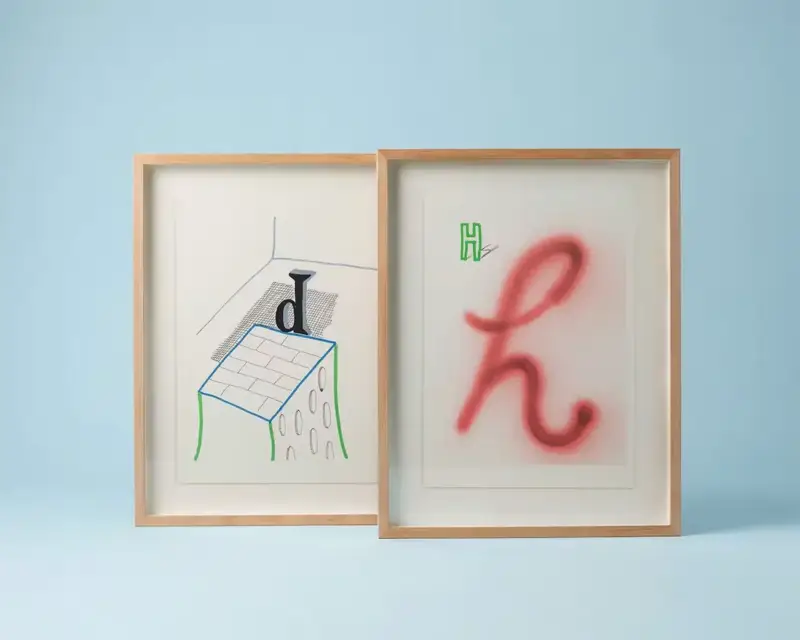
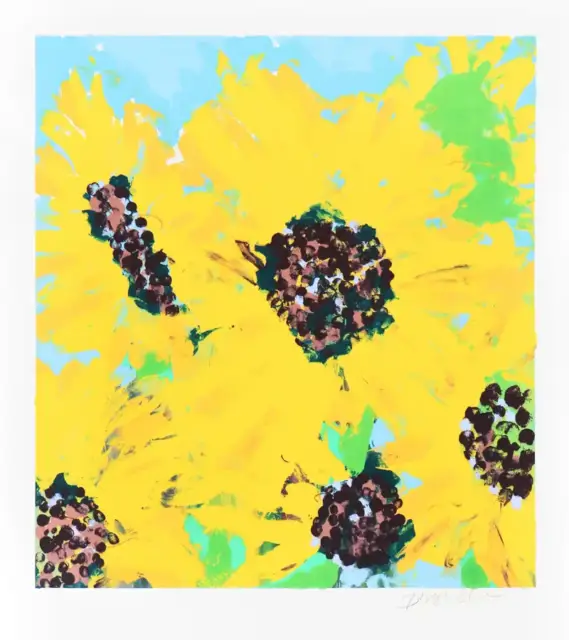
Write a one-line object description
Try summarising the offered work in one factual line: artist, title, stated medium, unique or edition arrangement, dimensions and supplied presentation. If that sentence cannot be completed from the listing, the missing part identifies a useful question for the seller. This does not require the buyer to become a technical expert; it keeps the decision tied to the physical item rather than the image alone. Compare alternative works using the same kinds of details while allowing the artistic preference itself to remain personal rather than forcing everything into a numerical ranking.
A worked shopping example
A shopper finds a favourite image offered as a framed reproduction and another work described as a limited-edition print. Compare what is actually made, the edition information, signature details and overall dimensions. The decision depends on whether the buyer wants the image in a useful home format or is specifically interested in the artist’s edition. Those are different briefs and should be compared honestly.
Details to compare side by side
| Detail | What to record | Why it changes the choice |
|---|---|---|
| Object | Medium, surface and production method | Explains the physical artwork being offered |
| Edition | Unique work or stated edition arrangement | Defines a separate characteristic from the image itself |
| Presentation | Image, sheet and overall measurements | Determines how the item will appear and fit at home |
Before placing the order
- Read the exact medium and production description and ask the seller to explain an ambiguous use of original or print.
- Check edition, signature and documentation details independently from the image shown.
- Record image, sheet and framed dimensions separately and decide which features matter to your purchase.
Buying art is partly a visual choice and partly a practical one. Keep the artwork, edition or material description together with the overall dimensions and framing details. A photograph on a screen cannot show every surface characteristic or establish how a piece will fit at home. Request clarification where the listing leaves an important detail unanswered, particularly for an individual work.
Does print always mean a reproduction?
No single broad term supplies the complete production story. Read the exact description and ask about the method and edition where those matter. Artist-produced prints and reproductions should be identified clearly, allowing you to choose for the actual object and purpose rather than drawing a conclusion from one word alone.
Find relevant specialist shops
Use the profiles for King & McGaw, Castle Fine Art, Jealous Gallery to reach their official websites and check the exact listing. These are relevant places to explore, rather than a claim that every shop has the same item in stock. Browse the wider art & collectibles directory for more specialists.
Sources and checks
Continue reading
Buying guides
Art print sizes: image, paper and framed dimensions
Measure for an art print using the image size, paper size, mount and overall framed dimensions so that the final item fits the intended space.
Read the guide
Buying guides
Limited-edition art: numbering, signatures and proofs
Understand a limited-edition listing by checking edition size, numbering, signature arrangements, proofs and the documentation supplied.
Read the guideBuying guides
Artwork documents: certificates, signatures and purchase records
Understand the documentation described for an artwork and keep the seller’s object, edition and signature information together with the purchase record.
Read the guideEXPLORE THE DIRECTORY
Related shop profiles

King & McGaw
Explore King & McGaw for fine-art prints, framed reproductions and limited editions. Check dimensions, item contents, UK delivery and the published return process.

Castle Fine Art
Explore Castle Fine Art for original artwork, limited-edition prints and sculpture. Check dimensions, item contents, UK delivery and the published return process.

Jealous Gallery
Explore Jealous Gallery for contemporary print editions and original artwork. Check dimensions, item contents, UK delivery and the published return process.