British-wool ranges, cones and yarns for larger textile projects
Woolyknit offers yarns with a strong connection to wool processing and making in northern England. Its official story describes founder Roger Shepley's 2002 start and the business's home in the Pennine textile region. Current ranges include British wool, merino, Warth Mill qualities and cone-based products, with project examples showing knitting and weaving. The shop is useful when the material and the amount required are central to the project, rather than beginning with a small standard ball alone.
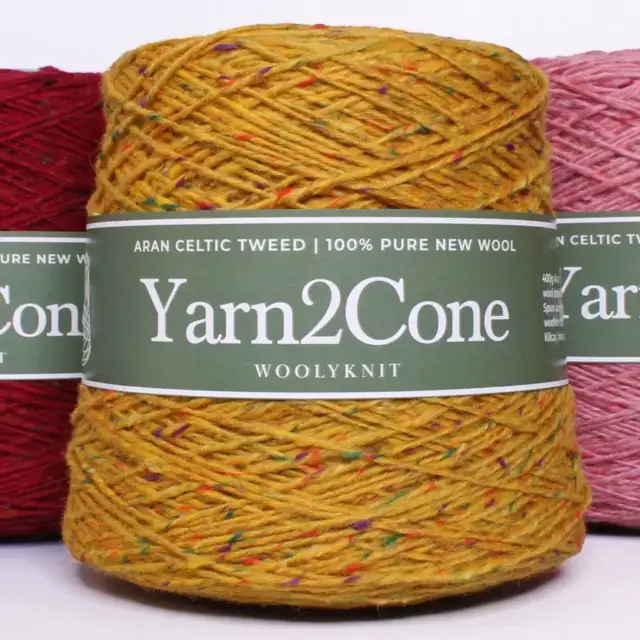
Cones and balls should be compared by the complete yarn specification. Read fibre composition, thickness, usable length, selling weight and care information. A cone can provide a different working format and quantity from a ball, but that does not make every coned yarn interchangeable. For machine knitting or weaving, check the requirements of the equipment and intended fabric. For hand knitting, use the pattern's tension and a sample before committing to a substantial piece.
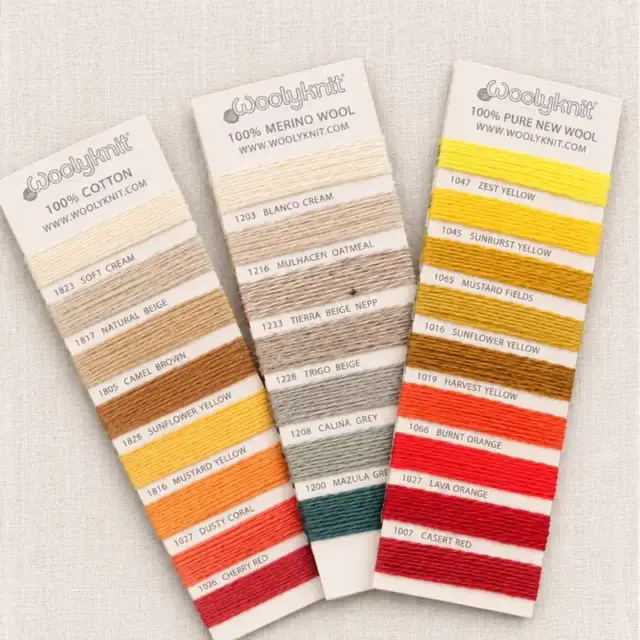
Natural and dyed shades can provide different design possibilities. Keep the range and colour references, particularly when a project uses several cones or needs later replenishment. The shop's shade cards are useful for assessing a palette physically, while photographs of finished garments show how other makers have used particular materials. Those examples do not establish that a pattern or every supporting yarn is included with a cone purchase.
The weaving and making context also makes planning the full material requirement worthwhile. Allow for sampling, finishing and the parts of the process that do not become visible finished cloth. A large yarn purchase should be based on the project's dimensions and the chosen construction rather than the package size alone. Woolyknit separates UK shipping by parcel weight and destination, so a substantial cone order needs its own basket calculation instead of borrowing the assumptions from one light ball.
UK ordering and return arrangements
The UK page separates mainland, Northern Ireland and other UK regions, with carrier and weight bands varying across them. Allow for the preparation stage before the parcel enters transit. A substantial cone order should be checked using its actual weight and destination in checkout. Read the current delivery information.
Use the return-label route linked from the UK shipping-and-returns page. The instructions ask for original packaging, the same condition and weight as supplied, plus an invoice or order details. Inspect the yarn before winding, dividing or using it, and contact the team about a fault or incorrect supply. Follow the official return guidance.
Why should a cone be compared by length as well as weight?
Different fibres and constructions provide different lengths for the same weight. Use the project's tension or weaving calculation and the yarn's stated specification together. Record the range, shade and format so a future order can reproduce the material choice.
Related craft-shopping routes
Related suppliers include Wingham Wool Work, World of Wool, Wool Warehouse. Explore the Arts & crafts directory or read Find the exact item. Then find your shop. for practical project planning.
What you can explore
Browse related categories
Sources and updates
Our directory summarises retailer information. Delivery options, stock, prices and return conditions are set by the retailer. Check the linked official information before ordering.