
Buying guides
Buying a zip for sewing: length, opening and construction
Choose a sewing zip by the pattern’s required opening, measured length, construction and finish, with a practical replacement checklist.
Published Information checked
A zip is a small purchase that can determine whether a sewing project works as planned. Length, opening arrangement and construction all matter. Take the requirement from the pattern or the existing garment and identify the type before trying to match the colour.
Identify how the opening must work
An opening that separates completely has different requirements from one that stays joined at the bottom. Check whether the project calls for an open-ended, closed-ended, concealed or another specified zip construction. Similar product photographs can hide that distinction. For a replacement, inspect the original arrangement and note how it is installed before choosing a substitute.
Measure the relevant length
Follow the zip maker’s measuring convention and compare it with the pattern requirement. The total tape length and the working fastener length are not necessarily the same description. If the exact requirement is unclear, ask the retailer before ordering. Do not assume that trimming any longer zip is a straightforward solution; suitability depends on its construction and the project instructions.
Match the material and installation
Consider the weight of the main fabric, the appearance you want and the sewing method specified. A visible metal-style detail and a concealed opening serve different visual purposes. Check the equipment and installation guidance as well as the fastener itself. Buying an attractive zip without considering how it will be sewn in can create unnecessary work later.
Make a replacement reference sheet
When replacing an existing fastening, photograph the garment opening and the relevant zip details before removing anything. Record the usable length according to the maker’s measuring method, the opening type and the appearance required. Include a view that shows how the fastening is attached, while recognising that a photograph does not replace a sewing assessment. Those notes make an enquiry more useful than asking for a zip of approximately the same colour. They also help distinguish a direct replacement requirement from a project that would need alteration to accept a different construction.
A worked shopping example
A maker replaces a damaged jacket fastening. The colour is important, but first the replacement must separate correctly and suit the jacket’s construction. Measure according to the product guidance and record the original fastening type, working length and installation. Share those details with the supplier if uncertain, rather than choosing the nearest-looking item from a photograph.
Details to compare side by side
| Detail | What to record | Why it changes the choice |
|---|---|---|
| Opening | Separating or non-separating arrangement | Determines whether the finished opening works correctly |
| Length | Measurement defined by the maker | Avoids ordering by an unrelated overall dimension |
| Construction | Specified zip type and installation | Affects appearance, fabric suitability and sewing method |
Before placing the order
- Record the opening arrangement and exact construction requested by the pattern or existing garment.
- Check the maker’s measuring convention so that tape length is not confused with the required fastening length.
- Confirm installation requirements and suitability for the fabric before choosing colour and decorative finish.
Making a project involves a chain of choices. The material, tool and instructions should work together, and the quantity should cover the actual project rather than the smallest advertised pack. Keep an offcut, swatch or label when possible so that you can identify what worked when ordering again. A small trial is often more informative than a larger assortment.
Can any longer zip be shortened for the project?
Do not assume that it can. The type, material and installation method affect what is practical. Follow the pattern and manufacturer guidance, and ask the supplier about the exact product if shortening is proposed. For a difficult replacement, obtaining suitable professional sewing advice can avoid buying a fastener that cannot be installed as intended.
Find relevant specialist shops
Use the profiles for Minerva, Abakhan, Sewing Street to reach their official websites and check the exact listing. These are relevant places to explore, rather than a claim that every shop has the same item in stock. Browse the wider arts & crafts directory for more specialists.
Sources and checks
Continue reading
Buying guides
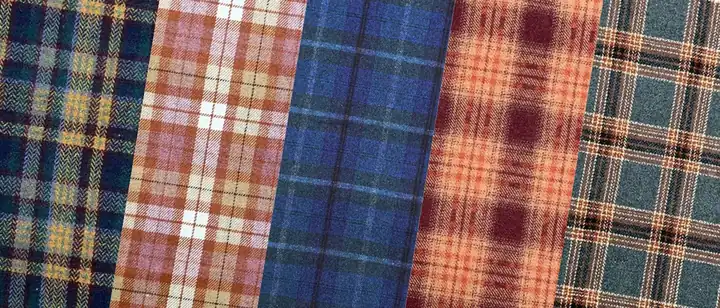
Woven or stretch fabric: match the sewing pattern
Choose sewing fabric by the pattern’s recommended structure, stretch requirements, weight and drape rather than appearance alone.
Read the guide
Buying guides
Choosing knitting needles: type, diameter and working length
Match knitting needles to the pattern’s diameter, construction and working length, and compare fixed and interchangeable systems carefully.
Read the guide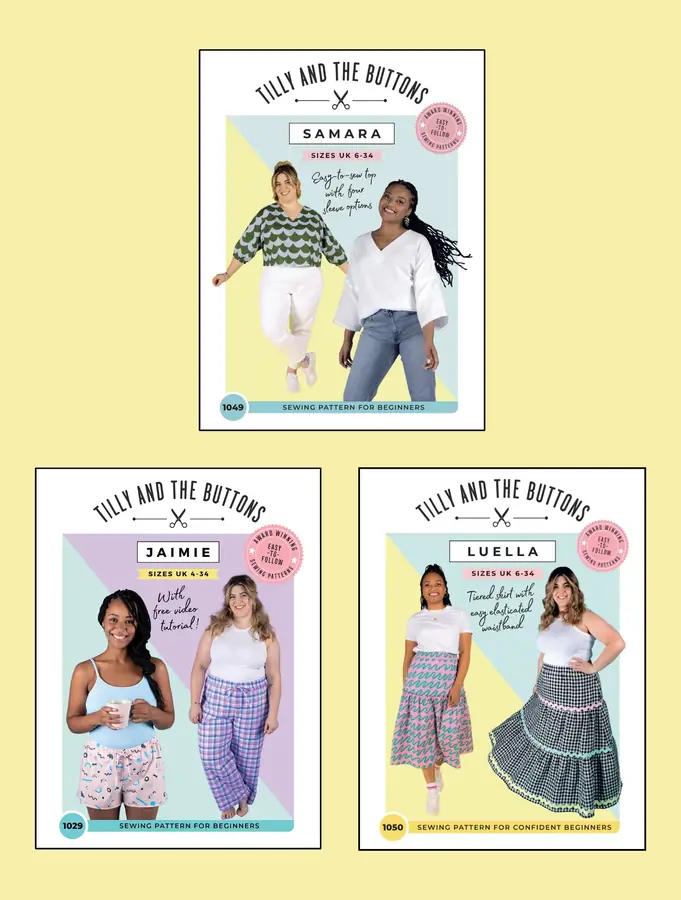
Buying guides
Buying a sewing pattern: size charts and finished measurements
Read a sewing pattern’s own size chart, finished measurements, format and fabric requirements before choosing the version to order.
Read the guideEXPLORE THE DIRECTORY
Related shop profiles

Minerva
Minerva focuses on dressmaking fabrics, sewing patterns and haberdashery, with samples and print-on-demand designs. Compare fabric properties and quantities carefully, then check how the longest-handling item affects the dispatch of a mixed order.

Abakhan
Abakhan combines fabrics, yarn, haberdashery and craft supplies with stores in North Wales and north-west England. Compare online listings on their own terms, especially fabric units, remnants and what is actually available through the website.

Sewing Street
Sewing Street connects sewing supplies with live demonstrations and project kits. Its range covers machines, fabrics, quilting, bag making and haberdashery, with warehouse and supplier-direct orders requiring different delivery expectations.