
Buying guides
Digital piano or keyboard: compare the playing action
Choose a digital piano or portable keyboard by the intended learning goal, key action, physical format and practical home setup.
Published Information checked
Digital pianos and portable keyboards can both be useful, but they are not automatically the same kind of purchase. Start with the intended music and learning goal. Then compare the key action, available range and home setup rather than choosing primarily by the number of built-in sounds.
Match the playing goal
If lessons focus on piano technique, ask the teacher which physical requirements matter for the player. If the aim is arranging, accompaniment or experimenting with many sounds, the priorities may differ. Record those requirements before browsing. A product called a keyboard can cover several distinct designs, so use the exact model specification rather than the broad label.
Read key action and sensitivity separately
Key action concerns the physical response of the keys, while touch or velocity sensitivity describes how playing input can affect the response. Do not assume that a touch-sensitive description establishes weighted keys. Read the maker’s terms and try suitable instruments where possible. Comparing the actual feel is more informative than treating different manufacturers’ marketing labels as a common measurement scale.
Include the stand, seat and listening route
Check dimensions with the intended stand and seating arrangement, not just the instrument’s width. Confirm whether pedals, a power supply and a compatible stand are included. Read the connection details for headphones or external equipment if those features matter. A low instrument-only total can leave essential parts of the practice space unresolved.
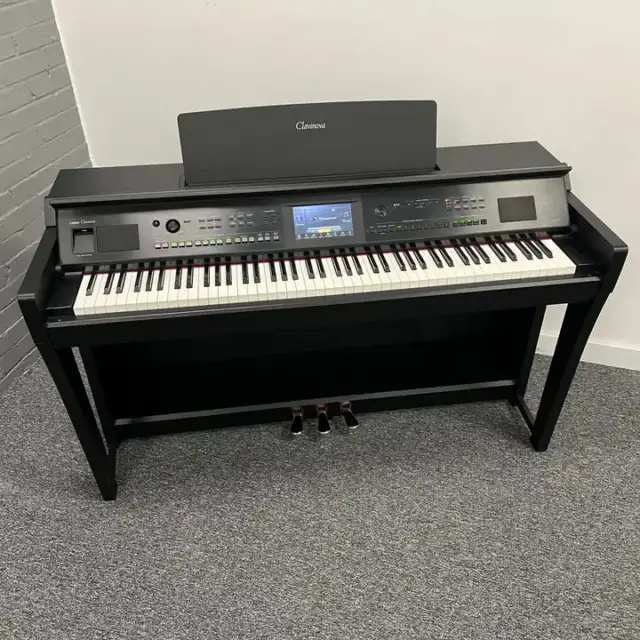
Compare the same practice task
When trying suitable instruments, use the same short passage or exercise and compare the controls needed during ordinary practice. A teacher can help explain what to notice if the learner is new. Keep key action, available range and the intended learning requirement separate from the number of sound presets. Record the exact model after the trial and compare the complete home setup for that version. This avoids a purchase influenced mainly by an impressive demonstration that does not resemble the way the instrument will actually be used each week.
A worked shopping example
A learner starts piano lessons in a compact room. The teacher’s requirements provide the first shortlist. Compare suitable key actions and check the complete width, depth and seated position. Add the required stand, seat and pedal if not supplied, then verify the headphone connection. This produces a realistic home setup rather than an instrument chosen for hundreds of sounds that the lessons will rarely use.
Details to compare side by side
| Detail | What to record | Why it changes the choice |
|---|---|---|
| Playing action | Maker’s key-action description | Relates to the physical playing experience |
| Musical use | Piano lessons, accompaniment or sound exploration | Determines which functions deserve priority |
| Home setup | Complete dimensions and included accessories | Shows whether regular practice is practical in the room |
Before placing the order
- Write down the teacher’s or player’s requirements for range, key action and intended musical use.
- Read action and touch-sensitivity specifications separately and try an appropriate instrument where practical.
- Calculate the complete setup, including stand, seat, pedal, power and the intended listening arrangement.
Music shopping works best when the intended use is clear: learning, rehearsing, recording, performing or collecting. Think about the rest of the setup as well as the item itself. A connector, accessory, edition or physical fit can decide whether a purchase is useful. Manufacturer instructions and an exact model reference are more reliable than assuming that similar-looking equipment is interchangeable.
Does touch-sensitive mean fully weighted?
Those descriptions address different aspects of an instrument and should not be treated as interchangeable. Read the exact action specification and the maker’s explanation. If piano feel is essential, use suitable teacher guidance and try an instrument rather than assuming that a response-related term establishes the required physical action.
Find relevant specialist shops
Use the profiles for Bonners Music, Normans, Andertons to reach their official websites and check the exact listing. These are relevant places to explore, rather than a claim that every shop has the same item in stock. Browse the wider music & instruments directory for more specialists.
Sources and checks
Continue reading
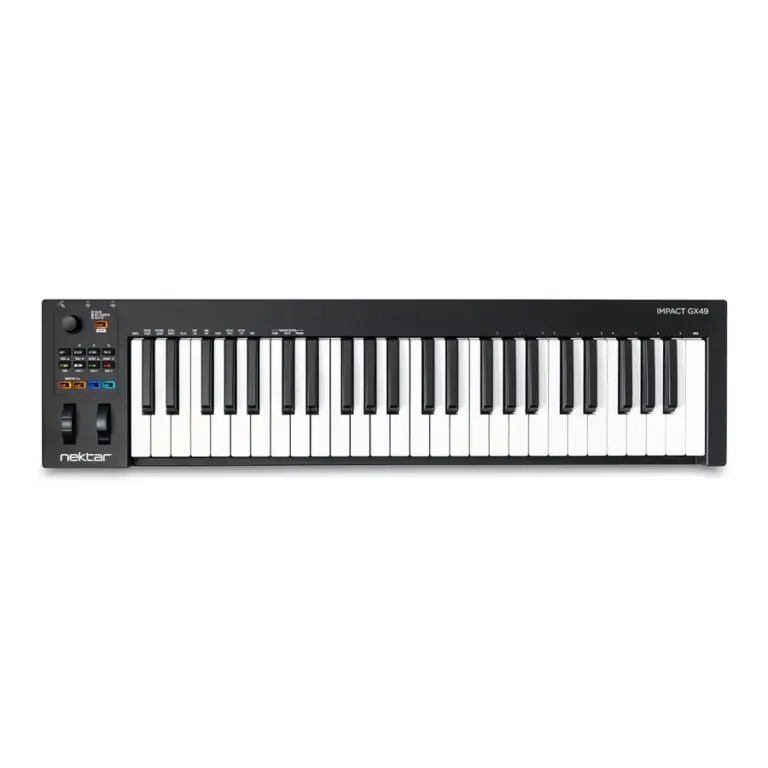
Buying guides
Keyboard accessories: pedals, stands and compatible bundles
Check a keyboard or digital piano’s exact accessory compatibility, included parts and complete setup before ordering pedals or stands.
Read the guideBuying guides
Choosing a first acoustic guitar: fit and playing style
Compare acoustic guitars by intended music, physical fit, construction and the practical accessories needed to start playing.
Read the guideBuying guides
MIDI controller or keyboard with sounds: choose the right route
Understand MIDI and audio, and check the software, sound source and connections needed before buying a controller keyboard.
Read the guideEXPLORE THE DIRECTORY
Related shop profiles

Bonners Music
Explore Bonners Music for pianos, keyboards and guitars with delivery suited to the instrument. Compare product details, UK delivery and the published returns route.

Normans
Explore Normans for musical instruments and classroom music equipment. Compare product details, UK delivery and the published returns route.

Andertons
Explore Andertons for guitars, keyboards, drums and studio gear with store or warehouse stock. Compare product details, UK delivery and the published returns route.