
Buying guides
Buying used vinyl: read media and sleeve condition separately
Compare second-hand records using separate media and sleeve grades, written condition notes and the kind of listening copy you want.
Published Information checked
A second-hand record has at least two condition stories: the disc and its packaging. A tidy sleeve cannot tell you how the record plays, and a usable disc can come with a worn cover. Read the grading system used by the seller and keep those two assessments separate.
Read the seller’s grading language
Check the published meaning of the grade rather than interpreting a term casually. Marketplace systems may define familiar labels more precisely than everyday speech. Look for written comments explaining marks, noise, wear or missing components. A grade is a summary, so ask about an issue that would decide the purchase instead of assuming that the summary answers every listening concern.
Choose condition for the intended use
A collection displayed for its packaging may have different priorities from a copy bought mainly for listening. Decide which defects you can accept and which would make the item unsuitable. Avoid assuming that a sealed-looking photograph establishes playback condition. If a seller describes how a copy was checked, distinguish a visual inspection from a statement about playback.
Inspect the complete package
Check inserts, lyric sheets, inner sleeves and other advertised components when they matter to your purchase. Ask whether photographs show the actual copy. A description of the disc does not automatically cover every included paper component. For an expensive or unusual edition, obtain clarification in the platform’s normal messaging system and keep the reply with the order information.
Describe your listening priority
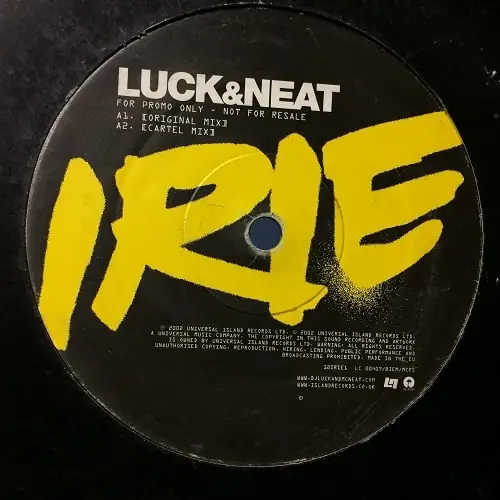
A buyer’s tolerance for a worn cover may differ from their tolerance for audible surface noise. Write that priority down before browsing expensive-looking editions. Ask a specific question if the seller’s comments do not address the issue that matters, and distinguish a statement about appearance from one about playback. The purpose is not to demand an impossible universal description of sound; it is to understand the offered copy well enough for the intended use. A clear priority makes two differently worn copies easier to compare honestly.
A worked shopping example
A listener finds two copies of the same release. One has a better-looking sleeve but limited comments about the disc; the other has clear media notes and a worn cover. The best choice depends on the listening requirement. Read both media descriptions, clarify any important defect and compare the delivered totals only after the copies have been assessed against the same condition expectations.
Details to compare side by side
| Detail | What to record | Why it changes the choice |
|---|---|---|
| Media | Disc grade and specific written comments | Relates to the physical record you will play |
| Packaging | Sleeve grade and included paper components | Matters for presentation and completeness |
| Evidence | Actual-copy images and checking method | Clarifies what the seller has assessed |
Before placing the order
- Find the grading definitions used by the seller and record media and sleeve assessments independently.
- Read the written comments and ask about defects or missing components that would decide the purchase.
- Confirm whether images show the actual copy and whether condition statements describe visual inspection or playback.
Music shopping works best when the intended use is clear: learning, rehearsing, recording, performing or collecting. Think about the rest of the setup as well as the item itself. A connector, accessory, edition or physical fit can decide whether a purchase is useful. Manufacturer instructions and an exact model reference are more reliable than assuming that similar-looking equipment is interchangeable.
Is a short condition grade enough for an expensive record?
A grade can be a useful starting point, but specific questions are sensible when condition is central to the purchase. Ask about the matters you care about and keep the answer with the order. The aim is to understand the offered copy, rather than expecting one short label to describe every possible mark or listening characteristic.
Find relevant specialist shops
Use the profiles for Discogs, Vinyl Tap, DNR Vinyl to reach their official websites and check the exact listing. These are relevant places to explore, rather than a claim that every shop has the same item in stock. Browse the wider music & instruments directory for more specialists.
Sources and checks
Continue reading

Buying guides
Identify a vinyl pressing: catalogue numbers and runouts
Find the vinyl release you mean using label, catalogue number, format and identifying details before comparing record shop listings.
Read the guide
Buying guides
Buying music box sets: compare the actual contents
Compare music box sets by track list, formats, disc count, packaging and the physical space needed rather than the size of the box photograph.
Read the guideBuying guides
Buying a practice guitar amp: home functions and listening options
Choose a practice amplifier around the intended guitar, listening route, controls and complete home setup rather than wattage alone.
Read the guideEXPLORE THE DIRECTORY
Related shop profiles

Discogs
Explore Discogs for vinyl records and cds and cassettes. Check the marketplace model, item details, UK delivery and return route.

Vinyl Tap
Explore Vinyl Tap for new and second-hand records and CDs with format and condition checks. Compare product details, UK delivery and the published returns route.

DNR Vinyl
Explore DNR Vinyl for UK garage, grime and dance records identified by the exact release. Compare product details, UK delivery and the published returns route.