
Haberdashery, thread and equipment for garment-making workspaces
William Gee centres its catalogue on haberdashery and the practical equipment used in garment making. Sewing threads, interfacings, linings, zips, pattern-making tools and studio equipment sit alongside sewing kits and student supplies. The range is useful for replenishing a workroom as well as building a first dressmaking setup. Its physical London shop and online business provide different ways to obtain materials, while the specification of each component remains the basis for a reliable order.
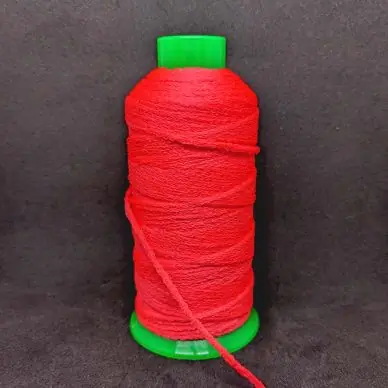
Thread matching is a particularly useful reason to read the product information carefully. The retailer explains that an exact colour match cannot be guaranteed without a physical swatch. Record the required thread type, shade reference and reel length, and distinguish stocked thread from a specially ordered product. A colour that looks right on one screen may not match the garment cloth in daylight. For a visible repair or topstitching, a sample-based decision can avoid an unsuitable bulk purchase.
Interfacings, linings and fasteners should follow the construction requirements. Establish whether the pattern needs a fusible or sew-in support and how much of it is used. A zip's length is only part of its identity: fastening type, weight and intended use also matter. Pattern paper, measuring and marking tools are separate workroom choices, so choose the formats that fit the available workspace and the method used for drafting, tracing or altering a pattern.
Bulk materials can create a different delivery problem from a few notions. William Gee identifies heavy and extra-heavy goods in its product information, with roll quantities and destination affecting carriage. Check those labels before treating a large studio order as an ordinary small parcel. For a course or repeat-making project, prepare the required materials list and keep product references for later replenishment. A named student-supplies department is a useful starting point, but the course's actual equipment list should decide the purchase.
UK ordering and return arrangements
The delivery page distinguishes small postal orders, tracked courier services and heavy or extra-heavy goods. Destination, roll size and weight can change the charge or available route, with separate arrangements for remote UK areas. Check the product’s carriage label before relying on the small-parcel option for a studio order. Read the current delivery information.
Contact William Gee before returning anything. Its page contains restrictive, product-specific conditions for cut goods and specially ordered thread, and the wording should be clarified for the actual item. Stocked thread and special orders are distinguished; keep the references and agree the route before using a parcel service. Follow the official return guidance.
What should a student check before buying a sewing kit?
Compare the kit's stated contents with the course's equipment list and identify the exact measuring, marking and cutting tools required. Avoid duplicating items already owned. For thread or materials that must match a sample, establish the product specification separately.
Related craft-shopping routes
Related suppliers include Empress Mills, Sew Essential, Barnyarns. Explore the Arts & crafts directory or read Find the exact item. Then find your shop. for practical project planning.
What you can explore
Browse related categories
Sources and updates
Our directory summarises retailer information. Delivery options, stock, prices and return conditions are set by the retailer. Check the linked official information before ordering.