
Buying guides
Cross-stitch fabric count: work out the finished size
Compare cross-stitch charts and fabrics using stitch count, the stated fabric count and the allowance needed for your chosen finishing method.
Published Information checked
A cross-stitch chart does not have one fixed physical size on every fabric. The chart’s stitch dimensions and the way the selected fabric is worked determine the stitched area. Check those details before ordering a piece of fabric or a frame, especially when changing the material recommended by the designer.
Start with the chart dimensions
Find the design’s width and height in stitches. Record the recommended fabric type and the instructions for working it. Do not treat the dimensions of a listing photograph as the stitched size. If the design includes additional techniques or finishing, read those requirements before calculating the total fabric needed.
Calculate using the stated working method
For a straightforward one-stitch-per-square arrangement, compare the number of stitches with the relevant fabric count in the same units. Other working methods can change the relationship, so follow the pattern rather than applying a formula indiscriminately. Check your calculation against the designer’s stated finished size where one is supplied, and ask for clarification if the figures disagree.
Allow for finishing beyond the stitched area
The stitched image is only part of the required fabric. Mounting, framing, hemming or another finish needs additional material, with the amount depending on the chosen method. Decide how the piece will be finished before ordering an exact-size cut. A frame selected from the image dimensions alone may not suit the final mounted work.
Calculate a hypothetical stitched area
For a simple example worked at one cross per square, a design 140 stitches wide on 14-count fabric has a basic stitched width of ten inches. That figure excludes finishing allowance. The example illustrates why the stitch chart and fabric count must be read together; it should not be transferred to another working method without checking the instructions. Calculate height separately, then add the allowance required for the intended mounting or construction. Keep the stitched-area calculation distinct from the total fabric cut and the final outside frame dimensions.
A worked shopping example
A chart is planned for one fabric count, but the maker wants to use another. Recalculate the stitched width and height using the chart and working method, then add the allowance required by the chosen finish. Check whether the result fits the intended frame arrangement. Do this before buying the fabric so that the finished design is not unexpectedly too large or too small.
Details to compare side by side
| Detail | What to record | Why it changes the choice |
|---|---|---|
| Chart | Design width and height in stitches | Defines the amount of stitching rather than its final physical size |
| Fabric | Count and stated working method | Changes the physical dimensions of the stitched area |
| Finish | Mounting or construction allowance | Determines how much fabric is needed beyond the image |
Before placing the order
- Record stitch width and height, recommended fabric and the precise working instructions from the chart.
- Keep units consistent and check the calculation against any finished dimensions supplied by the designer.
- Add the appropriate finishing allowance separately and confirm the final presentation before ordering the fabric cut.
Making a project involves a chain of choices. The material, tool and instructions should work together, and the quantity should cover the actual project rather than the smallest advertised pack. Keep an offcut, swatch or label when possible so that you can identify what worked when ordering again. A small trial is often more informative than a larger assortment.
Can I choose a frame using only the chart’s stitch count?
No. Convert the design into physical dimensions using the chosen fabric and working method, then consider the finishing arrangement. The opening, mount and outside frame dimensions are different details. If framing is being arranged professionally, obtain the framer’s requirements before cutting the fabric too closely around the completed work.
Find relevant specialist shops
Use the profiles for LoveCrafts, Hobbycraft, Wool Warehouse to reach their official websites and check the exact listing. These are relevant places to explore, rather than a claim that every shop has the same item in stock. Browse the wider arts & crafts directory for more specialists.
Sources and checks
Continue reading
Buying guides
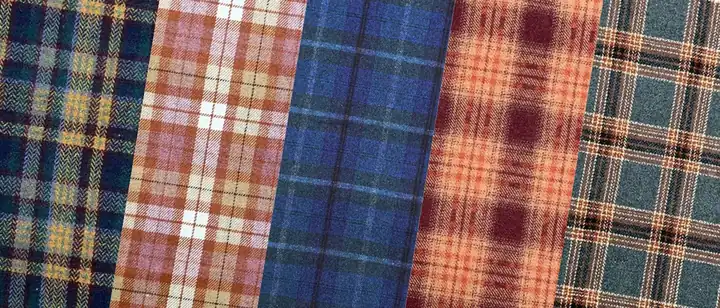
Buying fabric online: metres, width and continuous cuts
Calculate a fabric order using the selling unit, usable width, pattern layout and whether several units arrive as one continuous piece.
Read the guide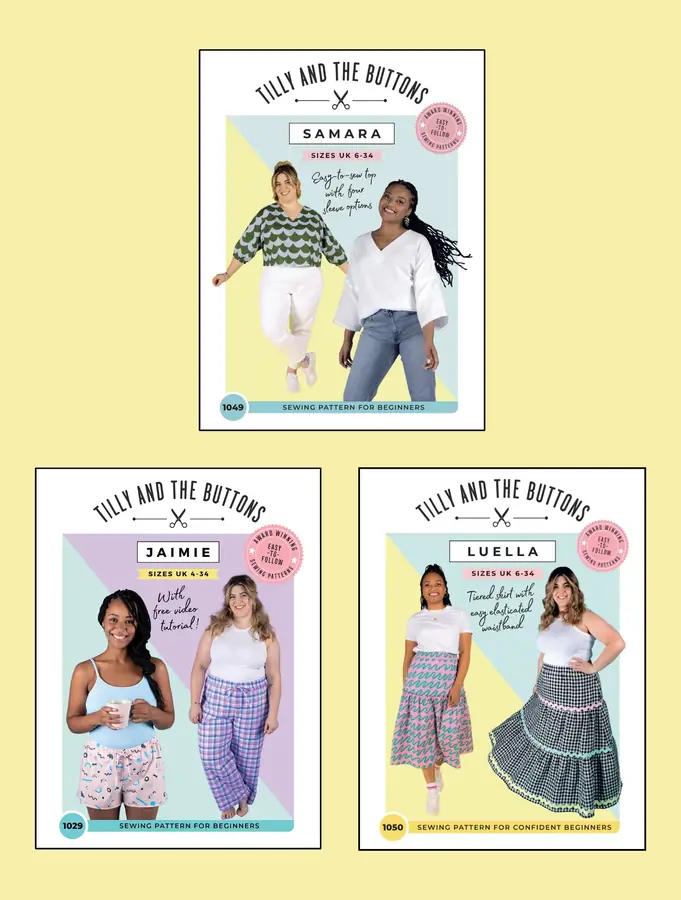
Buying guides
Buying a sewing pattern: size charts and finished measurements
Read a sewing pattern’s own size chart, finished measurements, format and fabric requirements before choosing the version to order.
Read the guideBuying guides
Buying an embroidery kit: design, thread and included tools
Check what an embroidery kit actually contains, how the design is supplied and which tools or finishing materials you will need separately.
Read the guideEXPLORE THE DIRECTORY
Related shop profiles

LoveCrafts
LoveCrafts combines yarn, knitting and crochet supplies with a large digital-pattern catalogue. It is useful for planning a complete project, provided you distinguish downloadable instructions from physical materials and match quantities to your chosen pattern.
Hobbycraft
Hobbycraft brings art materials, yarn, sewing, papercraft and children’s projects into one UK craft shop. It is useful for assembling a complete project basket, with home delivery and eligible store collection.

Wool Warehouse
Wool Warehouse sells yarn, patterns, needlecraft and related making supplies online. Its range is useful for comparing full project quantities, while dye-lot requests, pack completeness and the current dispatch queue deserve attention before ordering.