
Buying guides
Choosing watercolour paper: fibre, texture and weight
Choose watercolour paper by fibre, texture, sheet size and painting method, with a practical comparison of pads, blocks and loose sheets.
Published Information checked
Watercolour paper should be chosen for the way you paint, not just the number of sheets in a pad. Light sketching, repeated washes and detailed ink-and-wash work put different demands on a surface. Start by deciding whether you want a smooth drawing surface, visible texture or room to experiment with wetter passages.
Separate texture from weight
Hot-pressed, cold-pressed and rough describe surface character. They do not tell you the sheet dimensions or the fibre content. A smoother surface can make fine pen lines easier to control, while a more textured surface changes the broken marks made by a relatively dry brush. Look at the full specification and sample images rather than treating a single term as a universal quality ranking.
Choose a format that suits the workspace
Loose sheets allow you to choose the working size, but you need a way to support and store them. Pads keep unused sheets together. Blocks have edges held together and require the finished sheet to be separated according to the maker’s instructions. Compare the usable painting area, not only the outside cover dimensions, and check whether the format fits the board or bag you already use.
Plan a small surface trial
If a surface is unfamiliar, buy a modest quantity before committing to a large pack. Use the same paint and brush for a pale wash, a second layer, a lifted highlight and a small line drawing. Keep that test with the packaging details. It gives you a personal reference for how the paper behaves and avoids attributing every difference to the paint itself.
Calculate the useful painting area
A simple cutting plan can change the apparent value of a paper pack. Suppose your project needs four equal studies from each larger sheet. Draw those rectangles with any required border before deciding that four will fit. If the sheet must be trimmed or the work needs a larger clean margin, the actual yield may be lower. Compare the number of planned paintings, including trial pieces, rather than only square centimetres on the pack. Keep the offcuts for colour and brush tests instead of counting them as full finished studies.
A worked shopping example
Imagine choosing paper for small landscapes painted at a kitchen table. An impressive large loose sheet might need more support and storage than the room provides. A smaller pad could be more convenient, but only if the usable size fits the intended frame. Compare two suitable surfaces with the same short exercise, then decide whether you value smoother line work or a more visible paper texture.
Details to compare side by side
| Detail | What to record | Why it changes the choice |
|---|---|---|
| Surface | Hot-pressed, cold-pressed or rough | Changes line work and the visible texture of brush marks |
| Format | Loose sheet, pad or block | Changes support, portability and how finished work is removed |
| Size | Usable sheet dimensions | Determines framing options and whether the paper fits your workspace |
Before placing the order
- Record fibre content, surface and weight as separate details, including any information the maker leaves unspecified.
- Check the number of usable sheets and divide the pack cost by the area you will actually paint.
- Add a board or suitable storage only if your chosen format requires one; do not assume accessories shown in photographs are included.
Making a project involves a chain of choices. The material, tool and instructions should work together, and the quantity should cover the actual project rather than the smallest advertised pack. Keep an offcut, swatch or label when possible so that you can identify what worked when ordering again. A small trial is often more informative than a larger assortment.
Is heavier paper automatically the better purchase?
No single specification settles the choice. Weight is useful information, but texture, fibre, intended technique and the size of the work still matter. Choose a surface that suits your painting habits and test it before buying a large quantity. A paper you enjoy using consistently is more useful than a specification selected only because it looks more substantial.
Find relevant specialist shops
Use the profiles for Jackson’s Art, Cass Art, Cowling & Wilcox to reach their official websites and check the exact listing. These are relevant places to explore, rather than a claim that every shop has the same item in stock. Browse the wider arts & crafts directory for more specialists.
Sources and checks
Continue reading
Buying guides
Buying marker paper: bleed-through, surfaces and usable sheets
Choose paper for marker work by the maker’s medium suitability, working surface, sheet format and how you will use each side.
Read the guide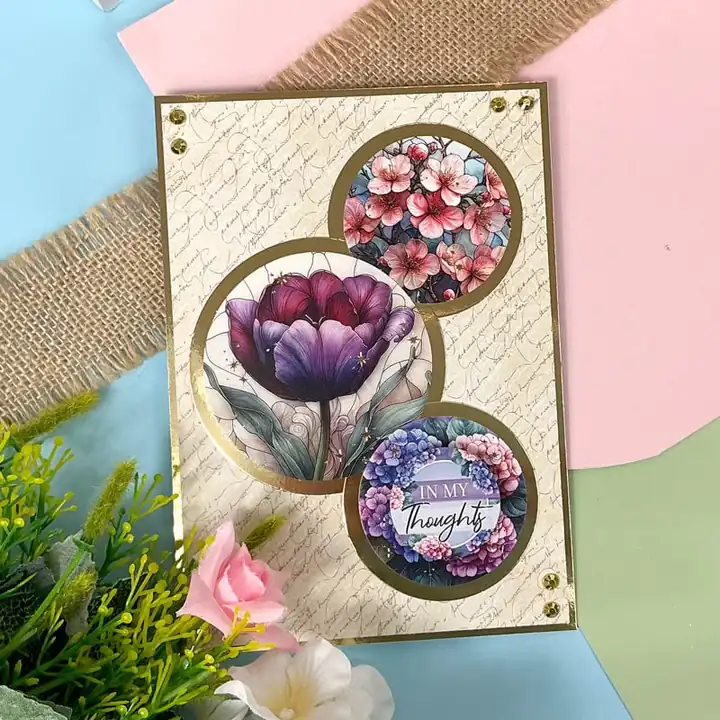
Buying guides
Buying cardstock: weight, size and the finished fold
Choose cardstock for cards and paper projects by finished dimensions, sheet format, surface and the way it will be folded or printed.
Read the guideBuying guides
Choosing a sketchbook: paper, binding and working position
Compare sketchbook paper, binding, usable size and portability for drawing at a desk, outdoors or while travelling.
Read the guideEXPLORE THE DIRECTORY
Related shop profiles

Jackson’s Art
Jackson’s Art offers a deep range of painting, drawing and printmaking materials, including its own-brand supplies. It suits artists comparing precise pigments, papers and tools rather than choosing mainly by the size of a starter set.

Cass Art
Cass Art focuses on painting, drawing and other fine-art materials, with an online shop and physical stores. Compare the exact medium, paper and product size, then check the appropriate online or in-store purchase conditions.
Cowling & Wilcox
Cowling & Wilcox supplies painting, drawing and other artist materials through its online shop. Compare exact product ranges and sizes, with particular attention to delivery for larger surfaces and the documented returns process.