
Buying guides
Buying a sewing pattern: size charts and finished measurements
Read a sewing pattern’s own size chart, finished measurements, format and fabric requirements before choosing the version to order.
Published Information checked
Choose a sewing pattern using its own measurements rather than your usual clothing size. The printed size labels can differ between pattern ranges, and the intended fit is part of the design. Check the size range, finished measurements and format before buying fabric or cutting any pieces.
Use the correct chart for the pattern
Find the chart belonging to the exact pattern and version you intend to buy. Compare the relevant body measurements following the pattern maker’s method. If measurements fall across sizes, look for the designer’s fitting advice and any grading instructions. A size label on the envelope is not enough to establish that the pattern will produce the fit you want.
Understand the finished shape
Finished garment measurements, where supplied, help explain the intended room and silhouette. They are different from the body chart. Consider how the garment is meant to be worn, including layers underneath. Review illustrations and suitable examples, while remembering that a styled photograph does not reveal every fitting adjustment made for the wearer in the picture.
Check the pattern format and contents
Paper, PDF and other formats have different preparation requirements. For a downloadable pattern, check printing size, assembly and file instructions before buying. Confirm that the purchased version includes the relevant size range and the garment options you need. A listing for instructions or an expansion pack should not be mistaken for a complete standalone pattern.
Confirm the range in the actual purchase
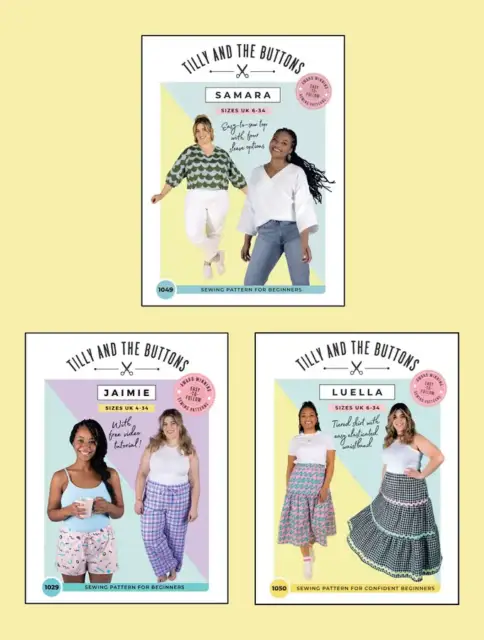
A designer may sell several pattern versions or size ranges under a similar title. Recheck the exact selected product in the basket, particularly when a shop offers a paper pattern and more than one digital option. A size appearing in an online article does not prove it is included in every older paper envelope still offered elsewhere. Compare the written contents of the version being sold and keep that reference with the order. This avoids buying the correct design in a package that omits the measurements or pieces required by the maker.
A worked shopping example
A maker wants a loose overshirt to wear over a jumper. The usual high-street size is only a starting reference. Compare body measurements with the pattern’s chart, examine the intended finished dimensions and check the layering allowance described by the designer. Then verify that the selected paper or digital edition contains the required size range before calculating the fabric order.
Details to compare side by side
| Detail | What to record | Why it changes the choice |
|---|---|---|
| Body chart | Measurements for the exact pattern | Helps select a suitable starting size |
| Finished dimensions | Stated garment measurements and silhouette | Shows the design’s intended space and proportions |
| Format | Paper, PDF and included size range | Determines preparation and whether the needed pieces are supplied |
Before placing the order
- Use the exact pattern’s size chart and measure in the way its designer specifies.
- Read finished measurements and intended fit separately from the body measurement chart.
- Confirm paper or digital format, included size range, printing requirements and whether the purchase is a complete pattern.
Making a project involves a chain of choices. The material, tool and instructions should work together, and the quantity should cover the actual project rather than the smallest advertised pack. Keep an offcut, swatch or label when possible so that you can identify what worked when ordering again. A small trial is often more informative than a larger assortment.
Does my normal clothing size identify the right pattern size?
It is not a reliable substitute for the pattern’s own chart. Take the measurements requested by the designer and read the intended fit information. Where the choice is uncertain, consult the maker’s guidance or an experienced tutor and consider an appropriate trial garment before cutting an expensive final fabric.
Find relevant specialist shops
Use the profiles for Minerva, Tilly and the Buttons, Abakhan to reach their official websites and check the exact listing. These are relevant places to explore, rather than a claim that every shop has the same item in stock. Browse the wider arts & crafts directory for more specialists.
Sources and checks
Continue reading
Buying guides
Woven or stretch fabric: match the sewing pattern
Choose sewing fabric by the pattern’s recommended structure, stretch requirements, weight and drape rather than appearance alone.
Read the guideBuying guides
Cross-stitch fabric count: work out the finished size
Compare cross-stitch charts and fabrics using stitch count, the stated fabric count and the allowance needed for your chosen finishing method.
Read the guideBuying guides
Buying a zip for sewing: length, opening and construction
Choose a sewing zip by the pattern’s required opening, measured length, construction and finish, with a practical replacement checklist.
Read the guideEXPLORE THE DIRECTORY
Related shop profiles

Minerva
Minerva focuses on dressmaking fabrics, sewing patterns and haberdashery, with samples and print-on-demand designs. Compare fabric properties and quantities carefully, then check how the longest-handling item affects the dispatch of a mixed order.
Tilly and the Buttons
Explore Tilly and the Buttons for sewing patterns, sewing books and online workshops. Check product contents, UK delivery and the published return process.
Abakhan
Abakhan combines fabrics, yarn, haberdashery and craft supplies with stores in North Wales and north-west England. Compare online listings on their own terms, especially fabric units, remnants and what is actually available through the website.