
Buying guides
Buying cardstock: weight, size and the finished fold
Choose cardstock for cards and paper projects by finished dimensions, sheet format, surface and the way it will be folded or printed.
Published Information checked
Cardstock should be chosen for the finished construction, not just the colour and pack size. A folded card, printed invitation and layered decoration place different demands on the sheet. Work backwards from the final dimensions and the equipment you will use.
Calculate the flat size first
A folded piece needs enough material for the full open shape. Sketch the layout, including any panels, tabs or margins specified by the project. Compare it with the actual sheet dimensions rather than a familiar format name alone. A pack of smaller sheets can be convenient for one design and wasteful for another if each sheet produces only an awkward offcut.
Match surface and equipment
Read the paper’s intended use and the printer or cutting-tool requirements where relevant. A visually attractive textured or coated sheet is not automatically suitable for every printing process. Check the equipment manual and the material specification before buying a large pack. If the project depends on a clean fold or a particular scoring method, trial the complete process on a spare sheet.
Compare useful output from the pack
Count how many finished items each sheet will produce and include sensible trial material. Sheet count alone is not a project quantity. Check whether colours are supplied evenly in an assortment or in stated proportions. If every invitation must match, confirm that the chosen colour and finish can cover the whole run rather than relying on a mixed pack photograph.
Count complete folded items
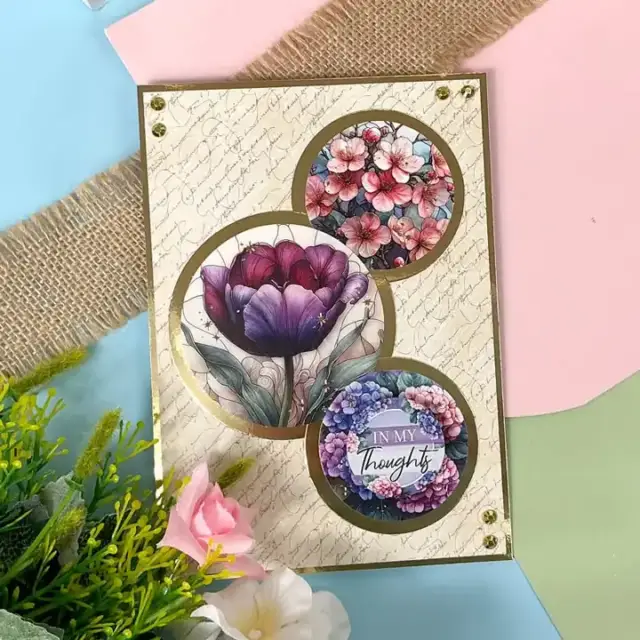
Suppose a project needs a card whose flat blank uses half of a suitable sheet. One sheet can then provide two blanks only if the complete layout, including any required margins or tabs, fits that plan. For twenty cards, the basic arithmetic would be ten suitable sheets before allowing for trials. If a decorative element must align with the sheet’s surface or printed design, the actual yield may change. Draw the complete cut-and-fold layout before treating the sheet count as the quantity of finished items you can make.
A worked shopping example
A maker needs twenty folded invitations. Draw the full open invitation, work out how many fit on one sheet and compare suitable sheet formats. Then check the chosen cardstock against the printing and scoring equipment. A larger pack with many unwanted colours may produce fewer usable invitations than a smaller pack of the correct material.
Details to compare side by side
| Detail | What to record | Why it changes the choice |
|---|---|---|
| Size | Flat layout and actual sheet dimensions | Determines yield and whether the project fits |
| Surface | Finish and stated printing suitability | Affects compatibility and the finished appearance |
| Pack | Quantity of each required colour | Shows how many matching finished pieces can be made |
Before placing the order
- Sketch the full flat shape and compare it with the exact sheet dimensions, including folds and tabs.
- Check material suitability against the printer or tool instructions and make a complete trial item.
- Calculate usable finished items per sheet and confirm the quantity of each colour in an assorted pack.
Making a project involves a chain of choices. The material, tool and instructions should work together, and the quantity should cover the actual project rather than the smallest advertised pack. Keep an offcut, swatch or label when possible so that you can identify what worked when ordering again. A small trial is often more informative than a larger assortment.
Is a heavier cardstock always better for cards?
The useful choice depends on the construction and equipment. A material can be substantial yet difficult to fold or unsuitable for the intended printer. Compare weight with surface, sheet format and the project instructions, then make a trial. Judge the finished item rather than treating one specification as a guarantee of the best result.
Find relevant specialist shops
Use the profiles for Hobbycraft, Hunkydory Crafts, Fred Aldous to reach their official websites and check the exact listing. These are relevant places to explore, rather than a claim that every shop has the same item in stock. Browse the wider arts & crafts directory for more specialists.
Sources and checks
Continue reading
Buying guides
Choosing watercolour paper: fibre, texture and weight
Choose watercolour paper by fibre, texture, sheet size and painting method, with a practical comparison of pads, blocks and loose sheets.
Read the guideBuying guides
Buying marker paper: bleed-through, surfaces and usable sheets
Choose paper for marker work by the maker’s medium suitability, working surface, sheet format and how you will use each side.
Read the guide
Shop comparisons
Hobbycraft vs The Range: build the same craft project basket
Compare Hobbycraft and The Range by the materials your project needs: usable quantities, compatibility, available shades, seller, delivery and the right return route.
Read the guideEXPLORE THE DIRECTORY
Related shop profiles
Hobbycraft
Hobbycraft brings art materials, yarn, sewing, papercraft and children’s projects into one UK craft shop. It is useful for assembling a complete project basket, with home delivery and eligible store collection.

Hunkydory Crafts
Hunkydory Crafts specialises in card making and papercraft, with coordinated toppers, papers, card and tools. Compare what each collection can make and which essentials are supplied separately before building a project basket.

Fred Aldous
Fred Aldous mixes artist materials, traditional making supplies and distinctive stationery with northern English shops. It is useful for projects that cross techniques, from printmaking and model making to textile craft and creative gifts.